

–The opinions expressed here are strictly personal–
Over the years I’ve spent living and working in Europe, I’ve learned to hold two truths at once. One truth inspires admiration: I’ve encountered a continent richer and more varied than I imagined, full of landscapes that caught me by surprise.
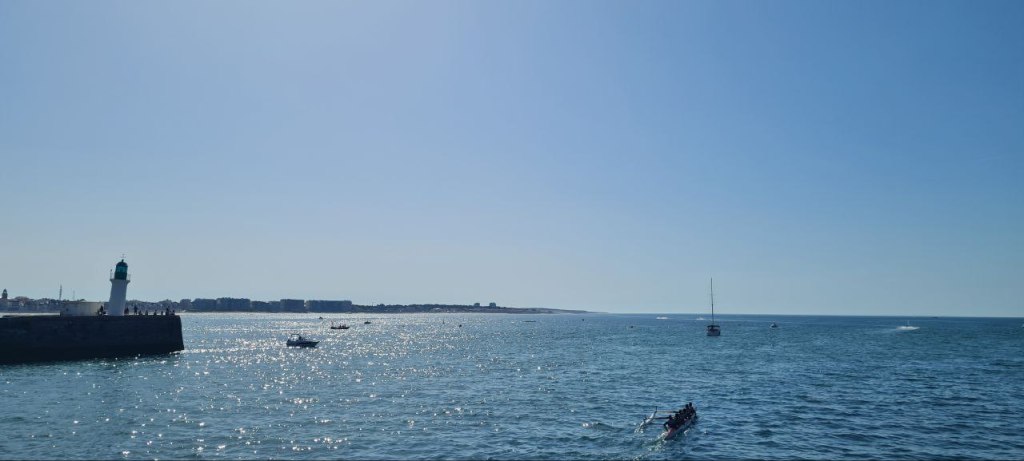
Coming from Venezuela (where our national identity weaves biodiversity into its essence), I didn’t expect to find, here in Europe, mountains, forests, coastlines, and bays capable of stirring the same sense of wonder.

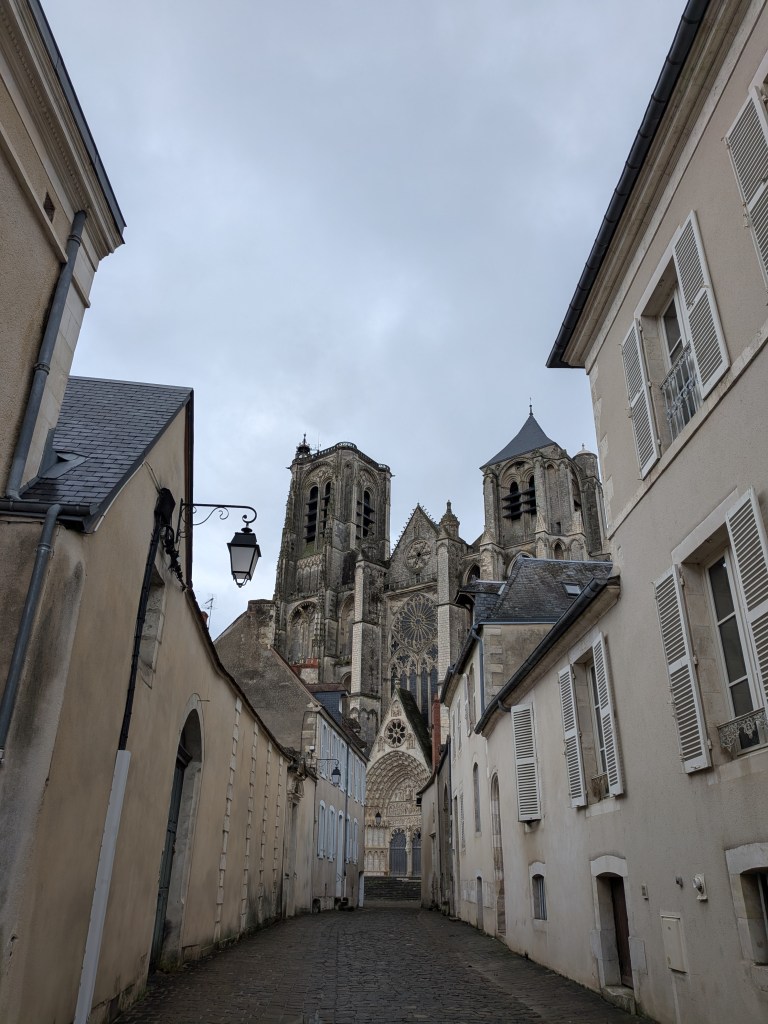
France, in particular, has deeply impressed me. Its commitment to preserving cultural heritage, shaping its tourism with intention, and making history accessible is remarkable. I’ve come to appreciate how seriously it takes the transmission of knowledge, art, and tradition. And in everyday life, I’ve met a kind of quiet warmth—less expressive than Latin American warmth, sure, but steady and sincere in its own way.
Alongside these affirming experiences, I’ve also noticed dynamics that raise questions for me. Not because they echo Venezuela (those comparisons would be unfair) but because they touch on themes I pay close attention to: media, social cohesion, and the way diverse communities share a common space.
The first area where I felt tension was in the media. At times, news seems presented more as emotional guidance than factual reporting. This phenomenon is not uniquely French; I believe it’s part of a global transformation of journalism, shaped by digital speed, social media, and the constant pressure for engagement. Still, this shift worries me. When reactions overshadow facts, it becomes harder for people to build informed opinions on complex issues.
The second area that resonates with me is immigration, something I live with personally. Years of paperwork, financial effort, separations, and perseverance were necessary for me to build a legal and stable life here. In some ways, the process is still ongoing, and through it I’ve witnessed both the richness that diversity brings and the challenges that come with it.
Integration is not experienced in the same way by everyone. France hosts a wide range of histories and backgrounds, and not all communities or generations navigate this equally. In some places, there are signs of identity-based separation — moments when groups seem to turn inward rather than outward.
It’s important to emphasize that these patterns belong to specific and highly visible minorities and do not represent the majority of people with immigrant backgrounds. But their visibility can amplify social tension and make it difficult to have calm, nuanced discussions about belonging, values, and shared civic life.
France’s historical ties to various regions add further complexity to public debate. These ties continue to influence specific policies and often heighten sensitivity in discussions about integration, expectations, and identity. In particular contexts, expressing concerns or asking questions can feel politically risky, even when the intention is constructive rather than exclusionary.
My third (and final) reflection blends admiration with caution. France is, culturally, an extraordinary country. For real: its contributions to science, philosophy, literature, music, animation, cinema, and gaming are immense. And yet, in some circles, I sense a hesitation to express pride in that heritage. Showing a flag or speaking positively of national culture can feel uncomfortable due to fear of being misunderstood or associated with exclusionary ideologies.

As a Venezuelan, I come from a context where people openly embrace symbols. Maybe, part of my surprise comes from this cultural difference. People express French pride in quieter, less symbolic ways, and I may not always perceive it fully because I grew up with a different “vocabulary” for expressing identity.
At the same time, some groups who struggle with integration express powerful identity markers, creating a contrast with the more discreet approach of the broader society. This imbalance can become fertile ground for misunderstandings if not addressed thoughtfully, with space for dialogue and well-designed public policy.
What remains in me is a mix of gratitude, hope, and attentive concern. I value what France and Europe have given me: stability, opportunities, knowledge, cultural richness, and the chance to build a life. But I also see areas that deserve attention. Societies rarely change overnight; they shift through small habits, unspoken tensions, and accumulated choices. Sadly, I know this the hard way.
As someone who has chosen to stay, I feel a responsibility, not only to integrate but to observe, participate, and help protect the values that drew me here in the first place: freedom, thoughtful diversity, and respectful coexistence — the everyday expression of Liberté, Egalité, Fraternité.
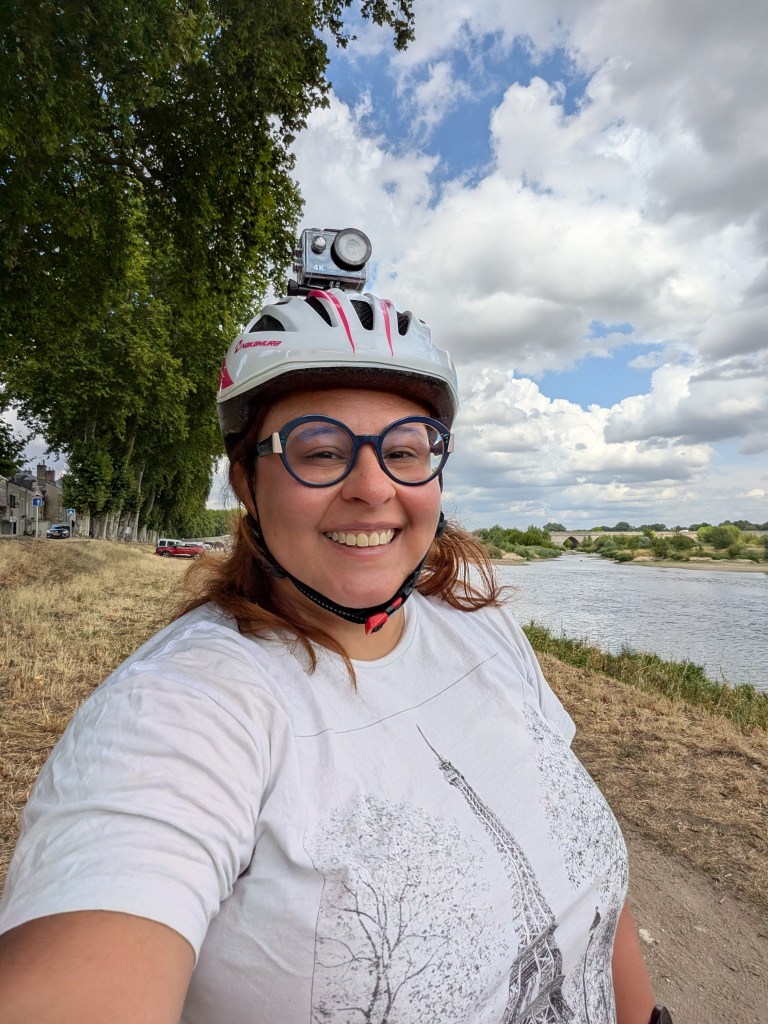
France has given me so much. Europe has given me so much. Perhaps that is precisely why I care so deeply about the resilience of what makes them unique.
I remain here: learning, contributing, and watching with both affection and clarity, hoping that this country I wish to call mine continues to find reasons to be proud.
 Dr. Carolina Perdomo